
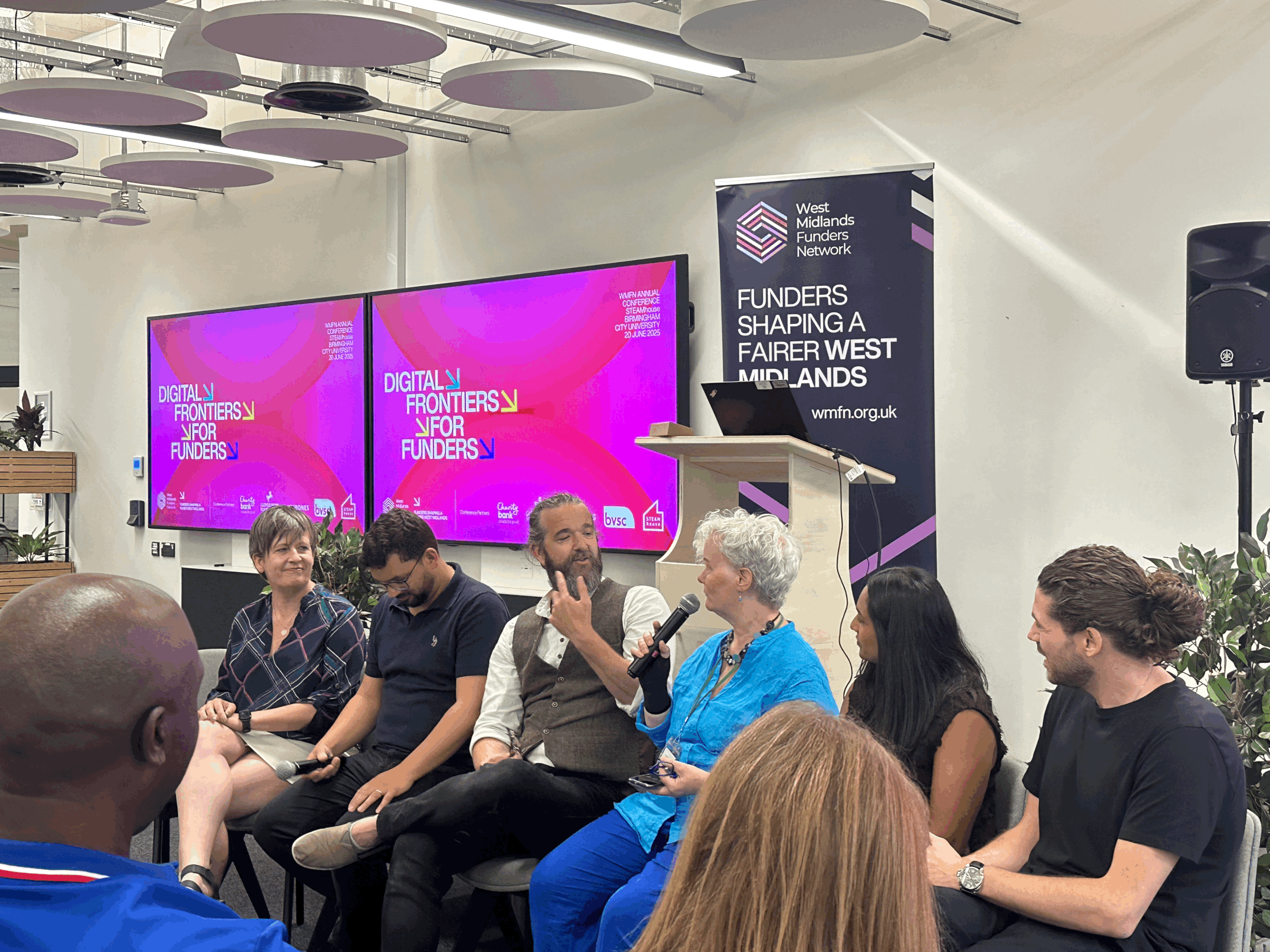
By Pauline Roche, Ambassador, West Midlands Funders Network
WMFN has been engaged with the data and digital agenda since 2018, when we first heard about 360Giving and helped shape the case for open grant data in our region. Several members, including Birmingham City Council, BBC Children in Need, Lloyds Bank Foundation Heart of England Community Foundation and Barrow Cadbury Trust, shared their grant-giving data on the 360Giving GrantNav platform, demonstrating their commitment to transparency at a time when this was genuinely pioneering.
Since then, AI has moved from a background conversation to an urgent priority. When members told us they wanted to understand more about generative AI and what it could mean for their organisations and the communities they support across the West Midlands, we listened. A well-attended workshop in November 2024 laid the groundwork, and the 2025 Annual Conference took that momentum and built something much more substantial around it.
The energy in the room on the day was high. The programme was packed with practical insight, and exhibitors including Good Things Foundation, Lightful, Nottingham Trent University, Plinth, Charity Bank and Citizen Click to name a few, contributed to the agenda as well as our exhibition space. Every session drew members eager to explore how AI could strengthen their work. But alongside the enthusiasm, there was something else running through the day: a real appetite to understand the ethics of these tools, and to think carefully about cyber security and digital inclusion.
We encouraged people to experiment, but in a secure and considered way. Our advice was to treat AI like an enthusiastic intern: allow it to contribute, but review its work carefully before using or sharing it. We also made the case for boards to consider appointing digital trustees, professionals from tech, data, design and related fields who can provide strategic guidance on how organisations make the most of digital and data, including AI. Third Sector Lab in Scotland runs a Digital Trustees programme that supports boards with exactly this kind of recruitment, and it is a model worth exploring closer to home.
The case studies shared on the day illustrated AI tools being used effectively and honestly, including some cautionary tales. Dan Sutch from CAST opened the conference with a strong context-setting talk on how AI is already shaping funder and charity practice, and how we might work toward adoption that is inclusive, ethical and effective. The message was clear: funders are not starting from a blank sheet. Danny O'Neill from Birmingham City Observatory showed how open data combined with AI can help charities and funders track needs, assess impact and collaborate more effectively using over 300 local datasets. And a panel on AI in charity operations, featuring Carefree and Street Support Network shared real-world experiences of using AI to improve impact reporting, strengthen communications and save time in delivery.
The regional picture on digital transformation is complex. Smaller civil society organisations across the Midlands are navigating significant challenges: legacy systems, skills shortages, limited budgets and the growing pressure to support beneficiaries with digital literacy while managing their own digital transitions. At the same time, there are real opportunities here, from targeted regional funding streams to innovation hubs and digital inclusion partnerships, and funders are in a strong position to help unlock them. The shift toward funding core costs and digital infrastructure, rather than just projects, matters enormously.
Nationally, over 420 people from 320 trusts and foundations are now participating in CAST's AI for grantmakers peer group, which feeds into the Open and Trusting work on AI in grantmaking supported by IVAR. Some WMFN members will already be part of that group. Our job as a network is to support their learning and connect it back to what is happening here in the West Midlands.
What happens next matters as much as what happened on the day. Eleven months on, I would love to hear from members what they have actually done since the conference. Have they recruited a digital trustee? Have they tried any of the tools or platforms from the exhibition? What have they learned, and what would they like to share, whether a success or a failure? In the technology space, the failures are often as instructive as the wins.
Generative AI has already begun to change the face of funding in the West Midlands, and that change will only accelerate. Accurate, up-to-date data will matter more than ever. And funders will continue to need authoritative, trusted sources to support good grantmaking practice. WMFN is well placed to be that source.