
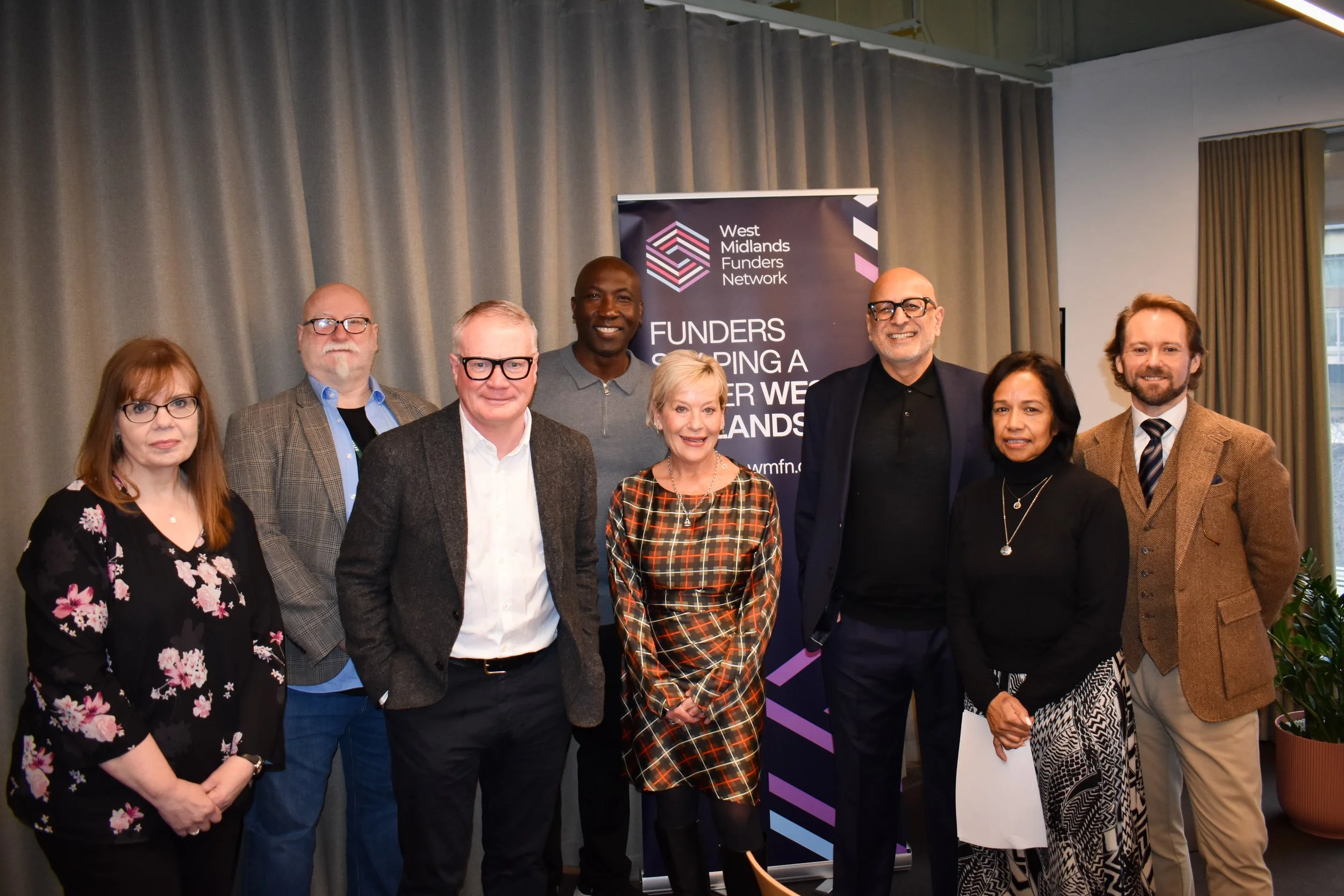
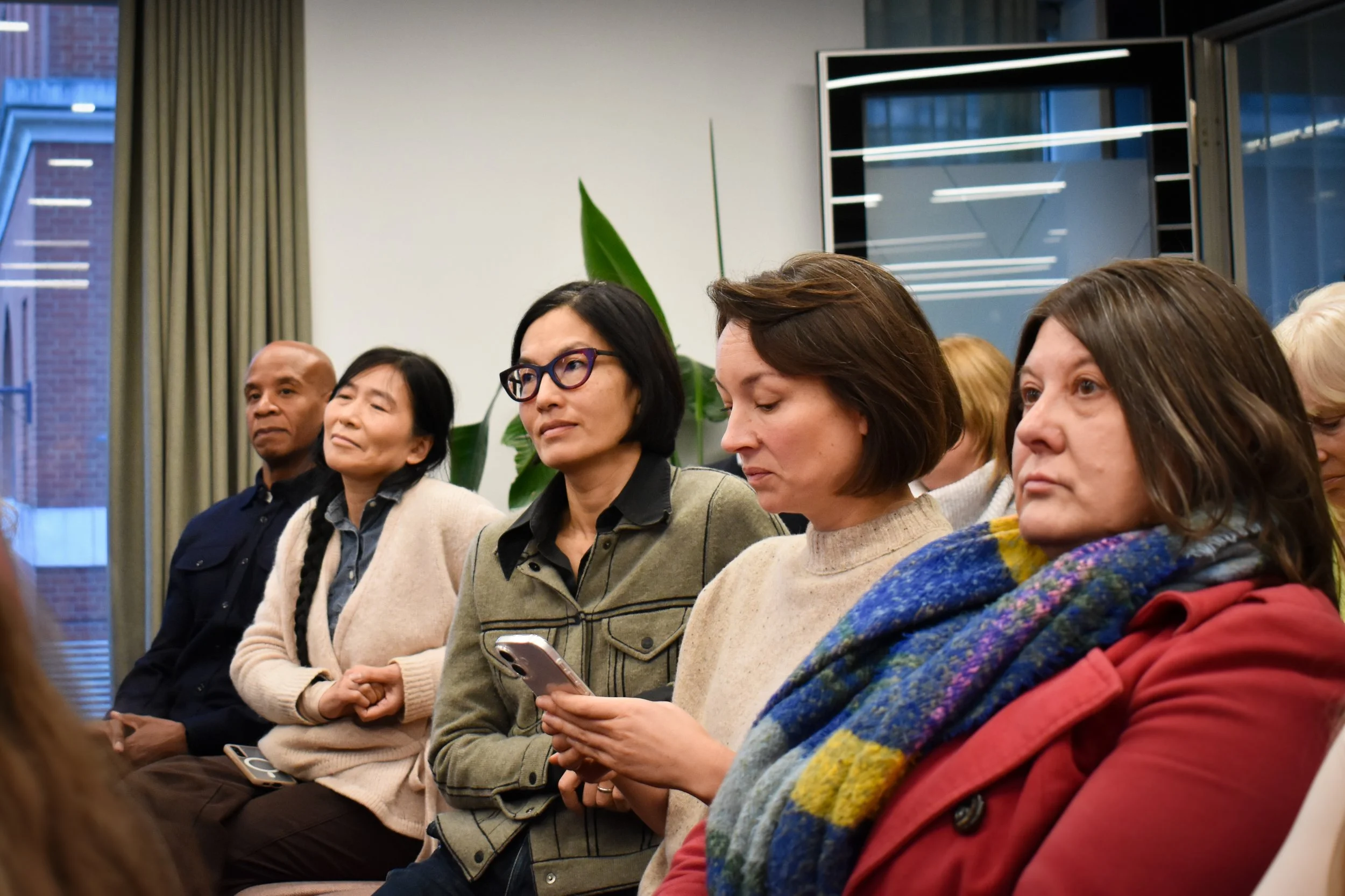
On 16 November, the West Midlands Funders Network brought funders, social investors, public bodies and voluntary sector infrastructure organisations together in Birmingham for its Annual Conference, Collaborating for Impact. Devolution is opening real opportunities for the region. The conference made clear that those opportunities will only reach communities if funders and partners change how they use the money, relationships and knowledge they already have.
An invitation from the Mayor
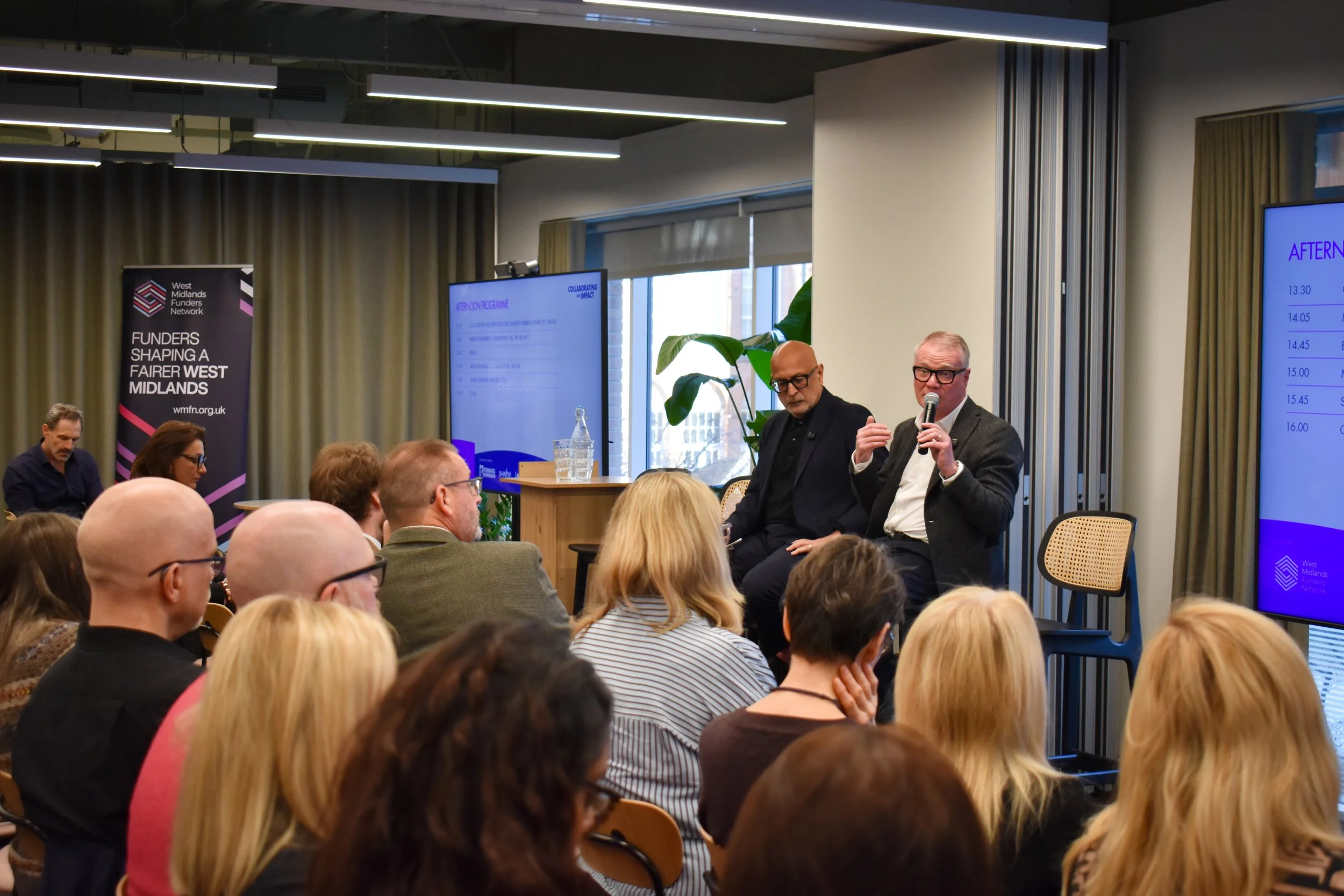
The day opened with Richard Parker, Mayor of the West Midlands, in conversation with Harris Beider of Forward Birmingham. Two years into the role, the Mayor was frank about the organisation he leads. Devolution has given the West Midlands Combined Authority (WMCA) more freedom, but it still works through rigid processes, with decisions approved by seven council leaders. He wants it to be more agile, responsive and entrepreneurial, and believes it can learn from organisations that build solutions with communities.
He gave a striking example of why prevention matters. Most of the roughly £200 million a year WMCA spends on adult skills goes on young adults let down earlier in the education system. Given the choice, he would invest far sooner, in young people and their families. He called for commissioning that suits community organisations, rather than rules "largely framed around the way that big business works", and for government to take more risks. He wants the region to "become known as a place that does that experimentation, does it really well."
For those in the room, this was an encouraging invitation to work with WMCA as strategic partners in shaping regional policy and investment. The challenge now is to turn that ambition into practical, lasting collaboration. In the public sector breakout, participants asked how far devolution will reach beyond regional institutions into local partnerships and communities, especially as UK Shared Prosperity Fund investment ends and local coordination capacity goes with it.
Who owns growth matters
In the afternoon, Shaheen Warren of Power to Change responded to the Government's mission for good growth in every postcode. Growth alone, she argued, has not delivered security or shared prosperity. Three questions matter: who owns local businesses and assets, how the value they create is shared, and whether it is reinvested in the place.
Her case was simple: "When people in a place own and run things that really matter to them, the money stays local, the jobs go to local people and places become more resilient." Power to Change research shows that 81% of community businesses employ local people, 51% of their spending goes to local suppliers, and 37% of their staff were previously unemployed. Examples including Kindred, Live Well, Nudge Community Builders and We Are Juno show what is possible. Kindred, in the Liverpool City Region, directed 37% of its 2025 investment to Black and minority ethnic communities, against an estimated 2.5% of social investment nationally.
Shaheen pointed out that the West Midlands already has a route map in WMCA's social economy work, and asked who will invest in which parts of it, together. Karolina Medwecka, WMCA's Social Economy Strategic Lead, told delegates that WMCA is planning changes to its approach in response to the Government's Rewiring the State agenda. Power to Change has since published its full response, Built to Last: the social economy and the foundations of good growth.
What each sector said
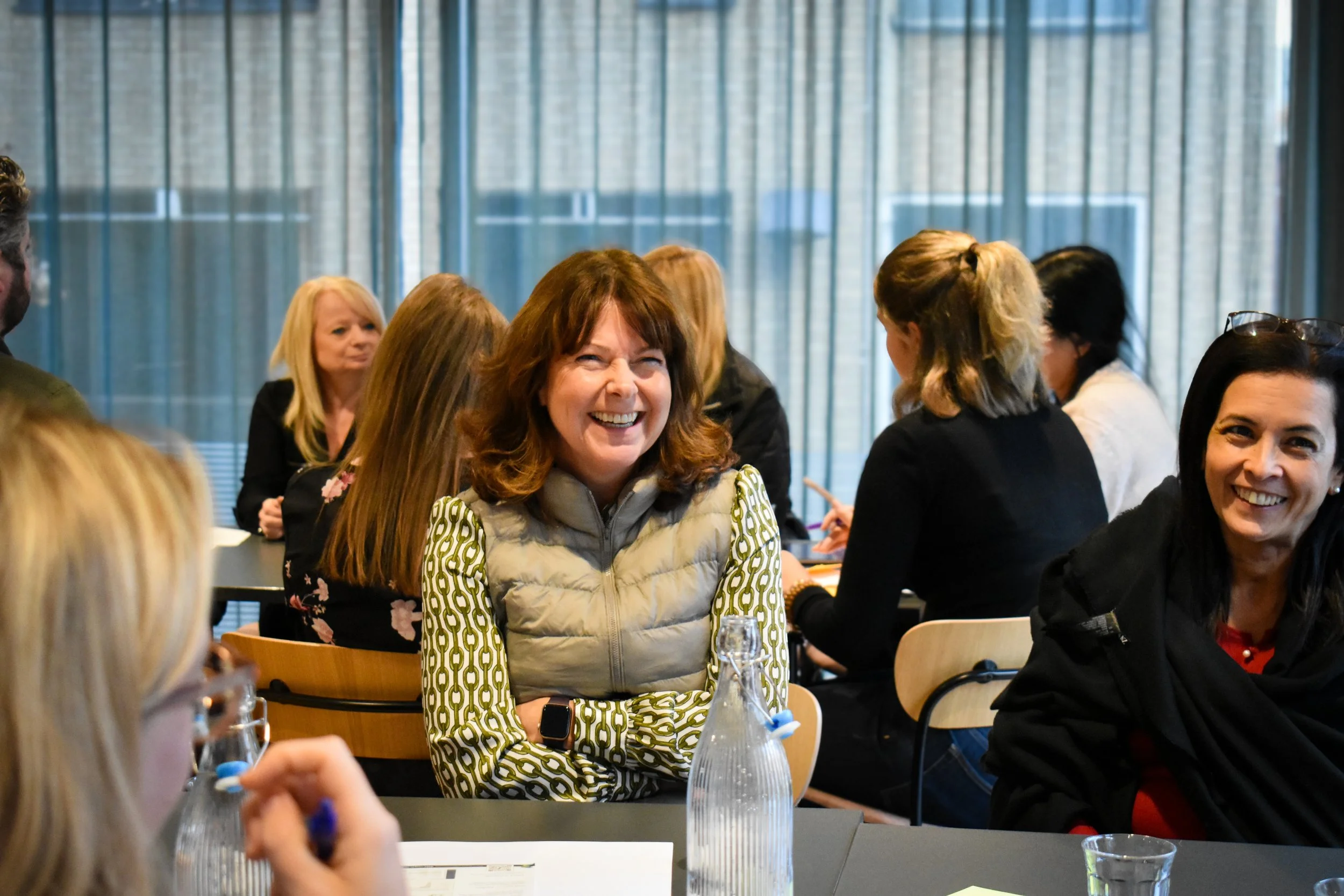
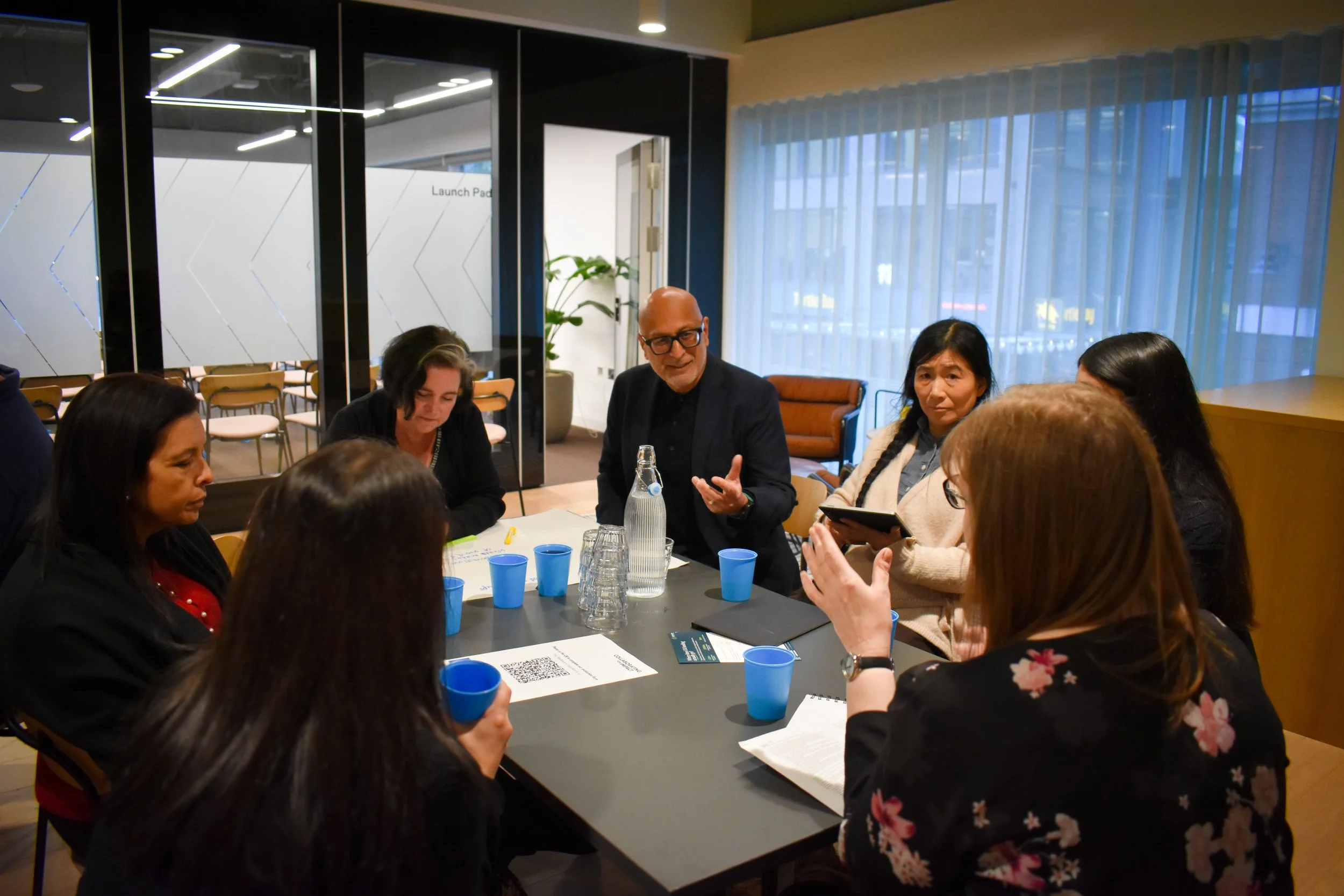
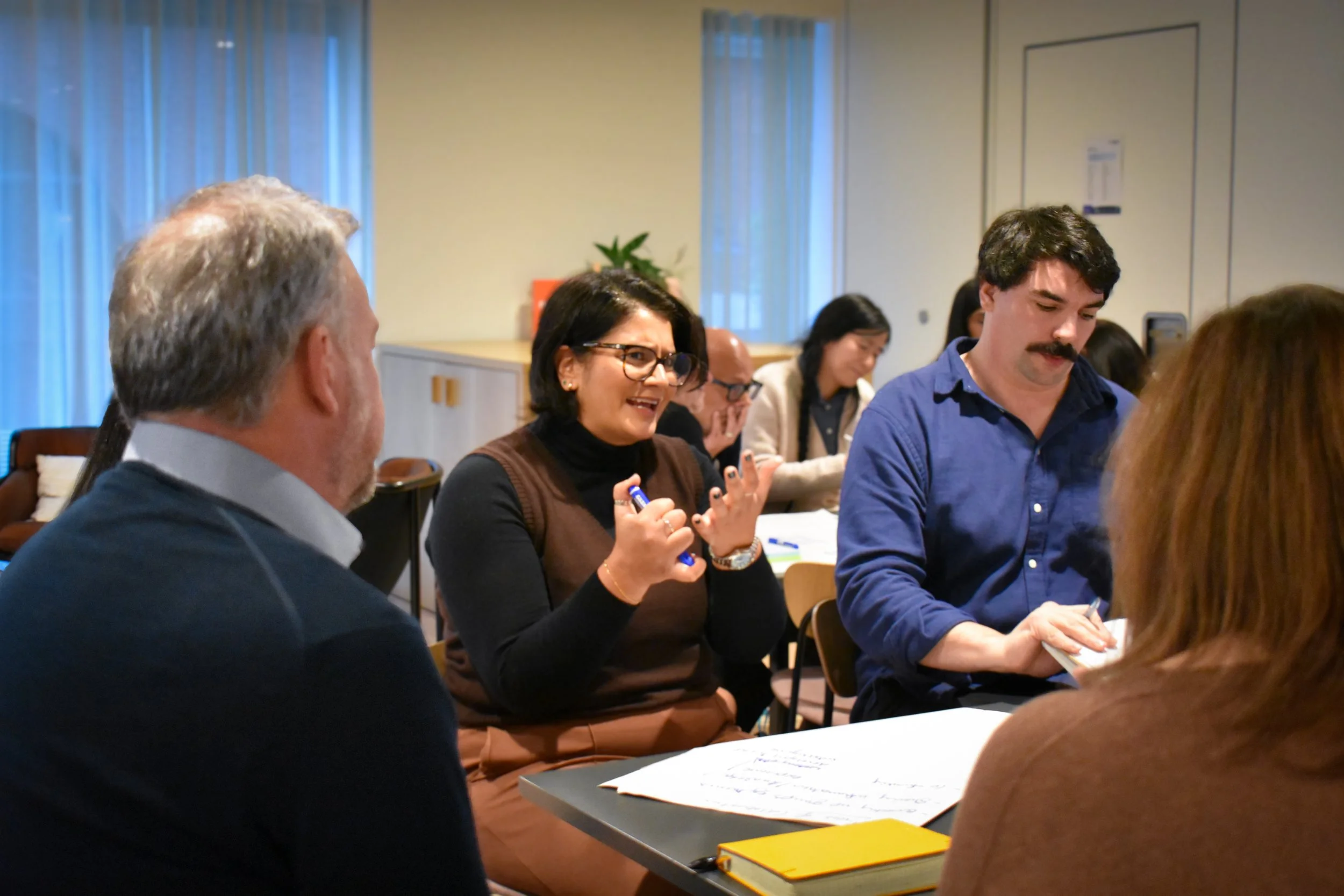
In the morning, funders, infrastructure organisations and public bodies met in separate groups.
Funders and social investors discussed options ranging from sharing intelligence to joint investment and delegated grant-making. Effective collaboration needs time, trust, trustee engagement and a willingness to rethink attitudes to risk, accountability and power. It also means funding the infrastructure that makes collaboration possible.
Voluntary sector infrastructure organisations described their role in connecting organisations, brokering relationships and amplifying community voices. They raised concerns about power imbalances, competition and hard-to-access funding, and called for a commitment to real co-production that builds on existing community leadership and networks.
Public bodies, including WMCA, explored how to balance regional coordination with local delivery on employment, skills, housing and homelessness, and how learning from Big Local could shape newer programmes such as Pride in Place.
Across all three groups, one message came through. Collaboration is about changing how organisations work together, make decisions and use their combined resources, and moving from short-term projects to long-term investment in people, places and relationships.
Fixing the foundational plumbing
One group summed up the afternoon as "fixing the foundational plumbing": the basic conditions that let organisations work well together. Participants identified persistent barriers: short-term and inflexible funding, competition for resources, organisations working in silos, complex procurement, and monitoring that misses real change in people's lives. Grassroots groups in particular struggle to access funding. Collaboration itself takes time, capacity and resources, and these need funding too.
Collaboration is a choice
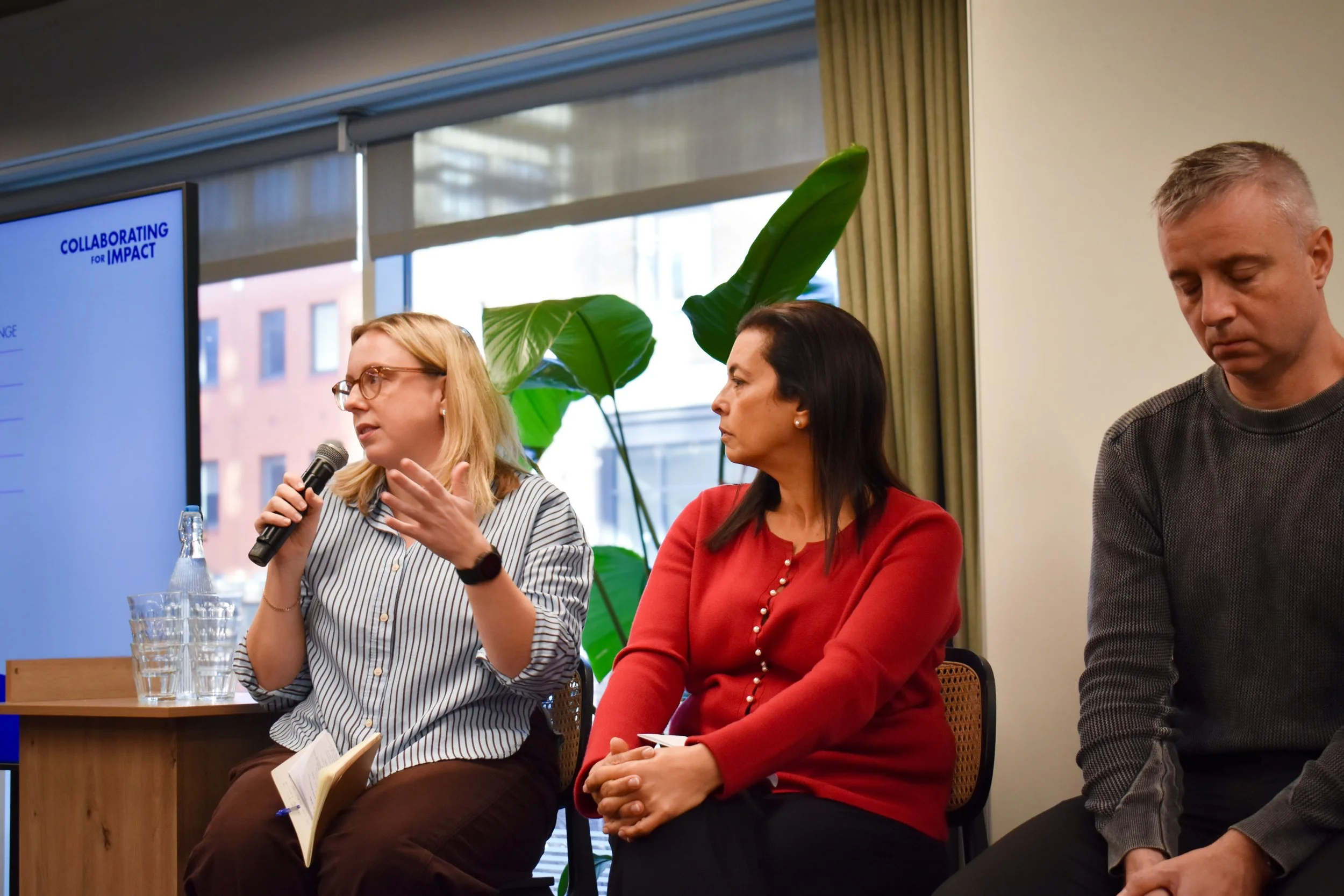
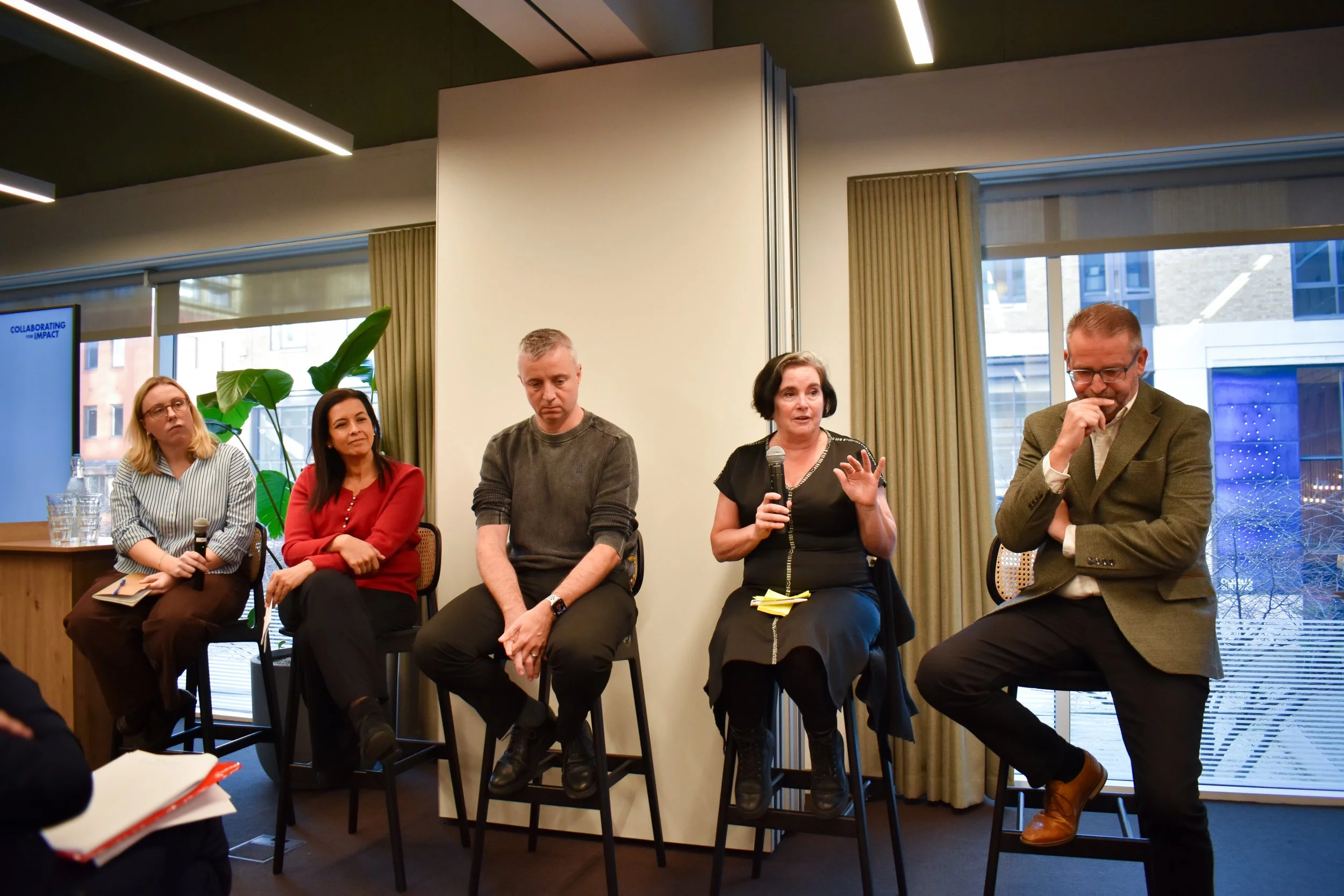
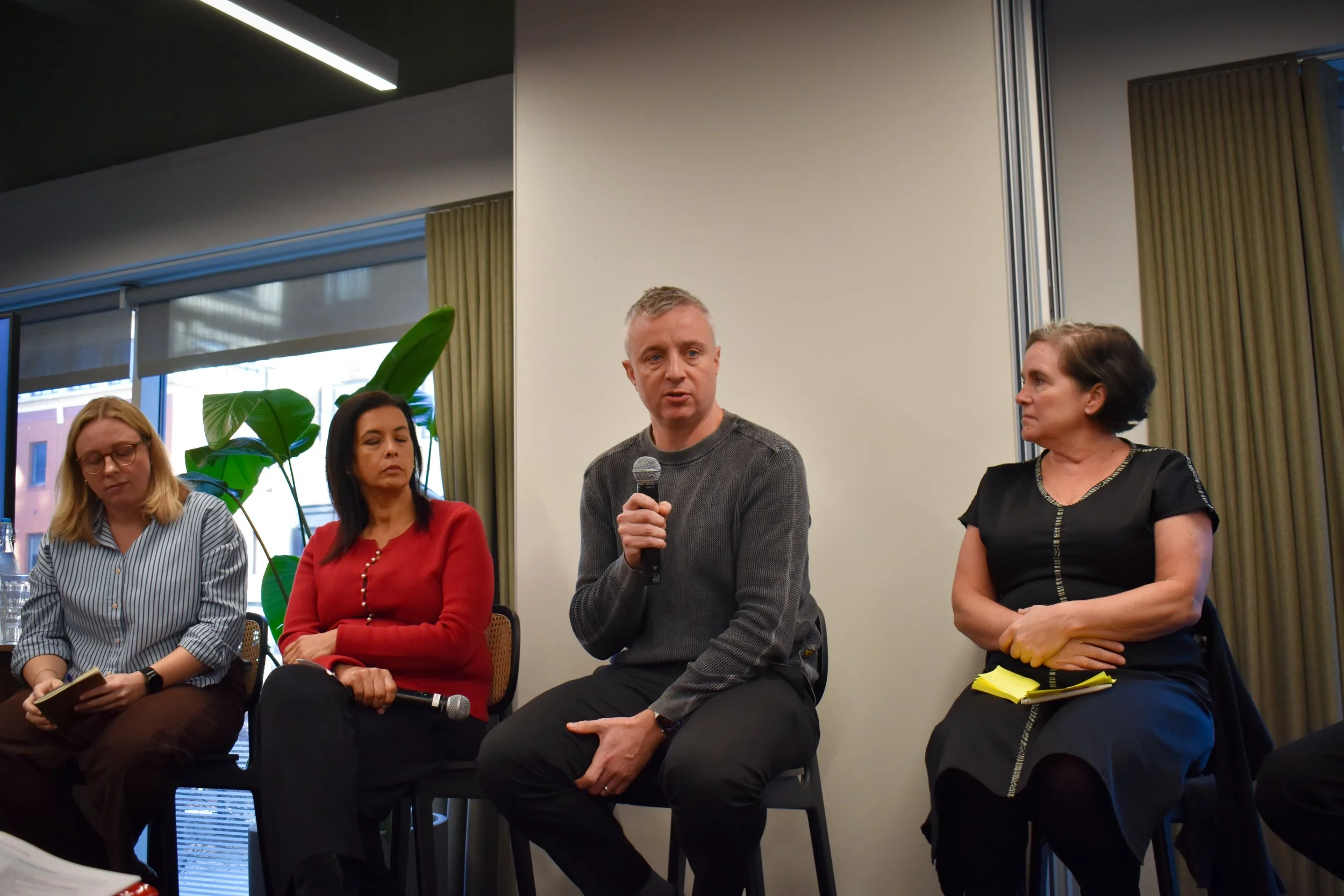
Funders have different purposes, governance and areas of interest, so collaboration is a choice, not a requirement. The morning panel, with Geraldine Blake (Collaboration Circle, Funders Together), Sonia Chhatwal (Rigby Foundation), Phil Chamberlain (The National Lottery Community Fund), Megan Falck (Local Trust) and Graeme Duncan (Right to Succeed), showed the many forms it can take.
One accessible starting point is "conscious complementary funding". Each funder keeps its independence, but makes decisions knowing what others are funding, so that grants reinforce each other. Shared due diligence, common approaches to impact, pooled funds and joint commissioning can follow where partners share enough purpose and capacity. As Shaheen put it, "good growth is a team sport."
Where to start
The region already has plenty to build on, but people across sectors often don't know what exists. Participants saw particular potential in Place-Based and community-led investment, the social economy, children and young people, health inequalities, and partnerships with business. For the next 12 months, they suggested five steps:
Share intelligence about regional investment, funding flows, current activity and gaps.
Strengthen two-way relationships between funders, WMCA, local authorities and voluntary sector infrastructure organisations.
Share learning from collaborative and community-led approaches that have worked.
Improve funding policy and practice together.
Test one or two manageable collaborations that can show clear added value.
The emphasis throughout was on keeping things simple, proportionate and purposeful.
From innovation to legacy
Devolution creates opportunity, but it does not automatically lead to fairer outcomes. The task for everyone in the region is to move beyond isolated examples of innovation and build what works into mainstream policy, funding and practice, so that investment leaves a lasting legacy for communities.
Watch the Mayor's conversation and Shaheen's presentation. If you have something to offer, an ask, or an idea for collaboration you would like to test, please contact us - dipali@wmfn.org.uk
Downloads and resources
From the conference
Further reading
Built to Last: the social economy and the foundations of good growth, Power to Change
Rewiring the State: Cabinet Statement, HM Government
Good Growth in Every Postcode programme, statement to Parliament, 26 October 2026