Lessons from Grace Mary to Lion Farm: how a Big Local area built a legacy
Grace Mary to Lion Farm received £1 million through Big Local over ten years. The work now continues through a resident-led legacy charity. In September, we brought 18 funders and voluntary and community sector representatives to Sandwell to hear how this work has happened, and what it takes to keep it going. Their account is set out here.
Most funding programmes are judged by what they deliver while they are running. The harder question is what remains once they stop. Pride in Place and the Community Wealth Fund are both being designed to put long-term funding in the hands of residents, which makes that question more pressing than it has been for some time.
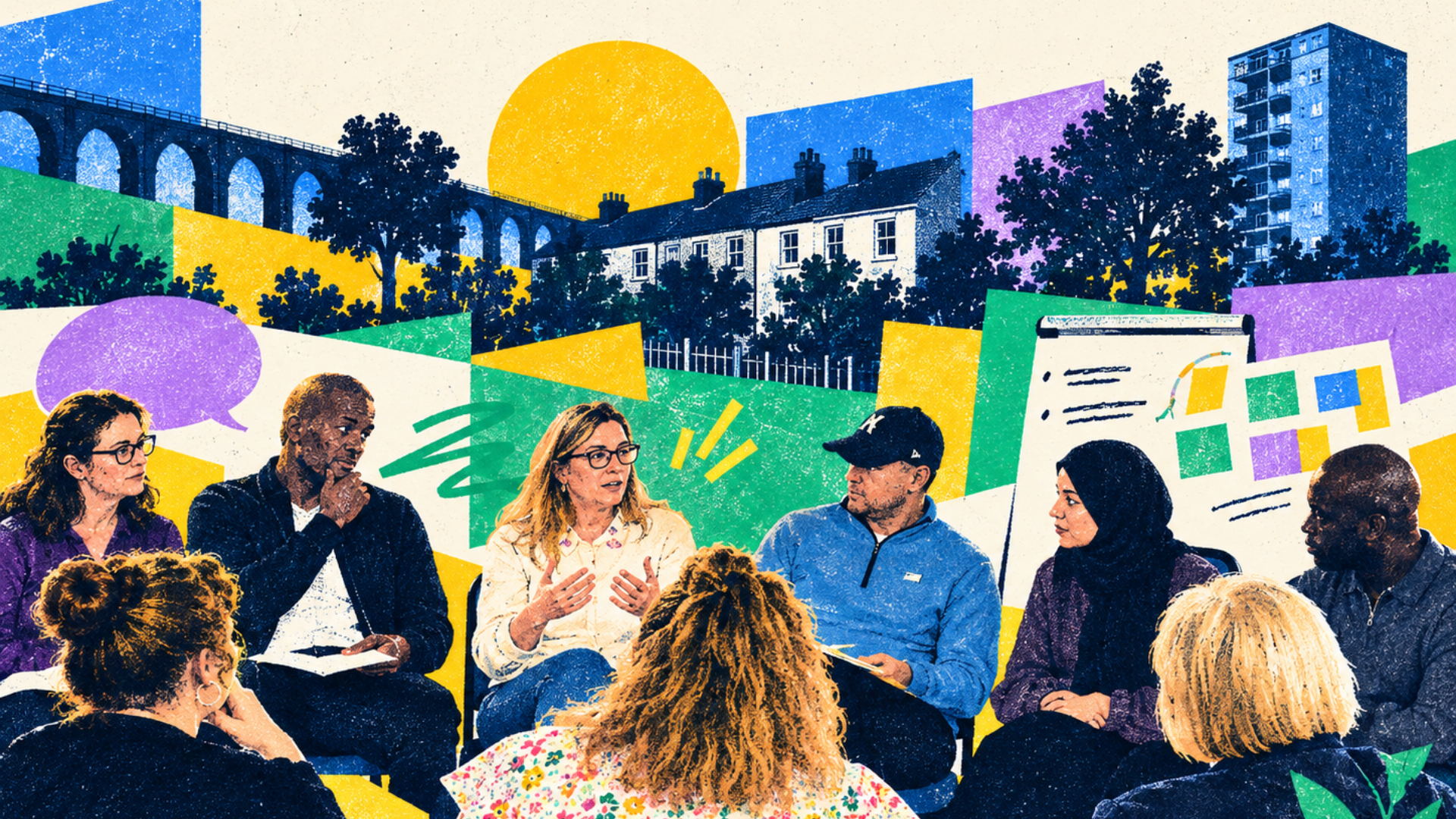
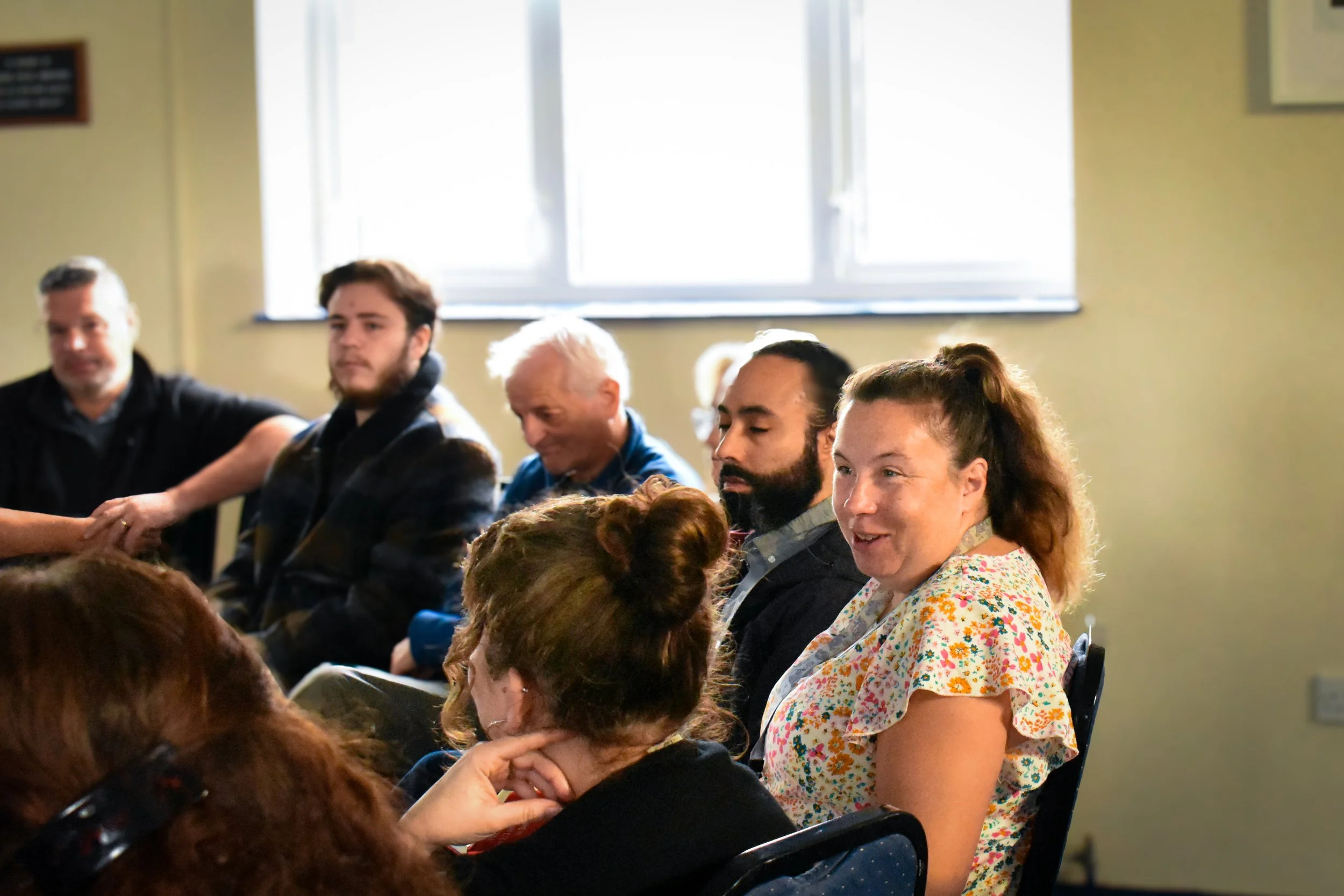
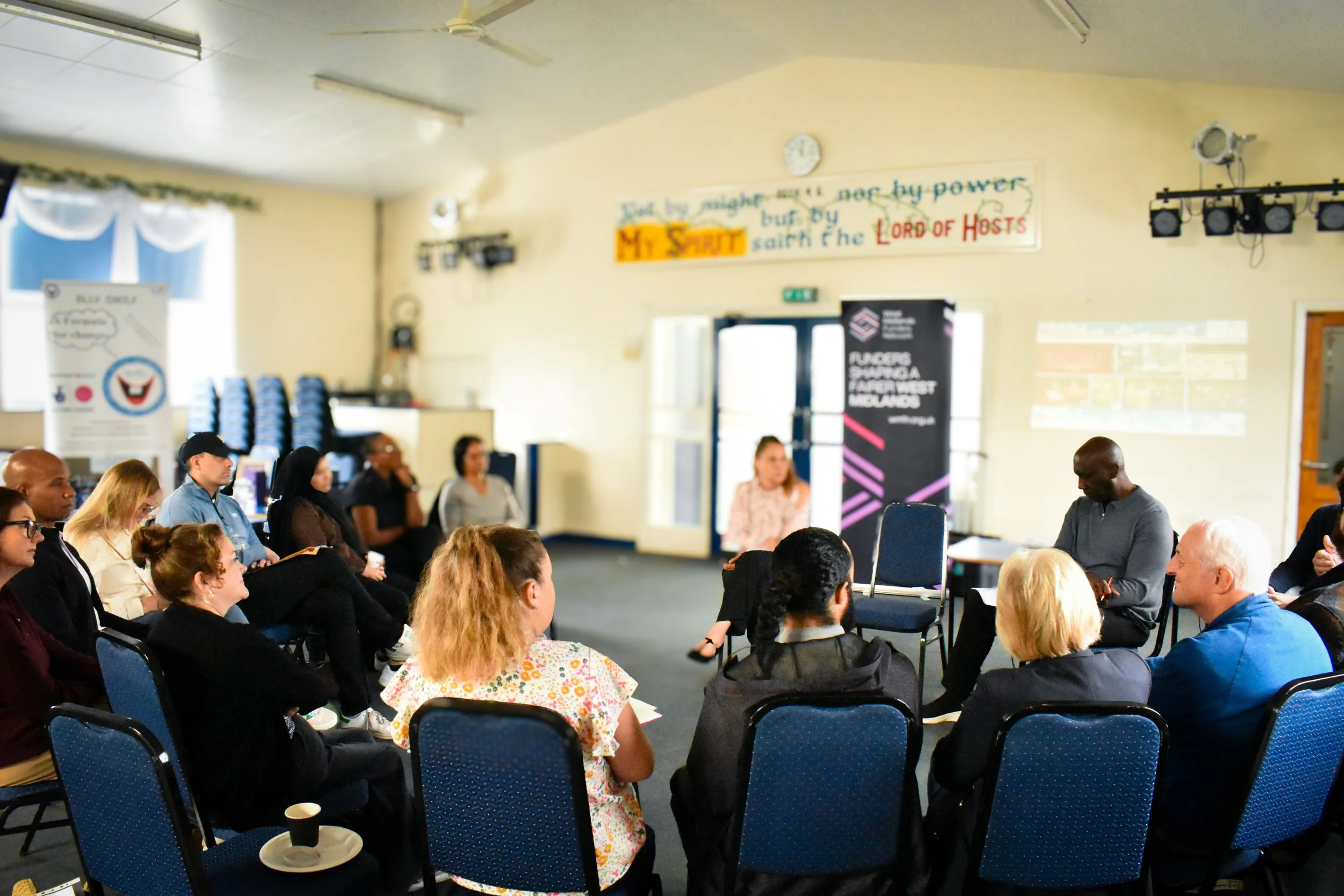
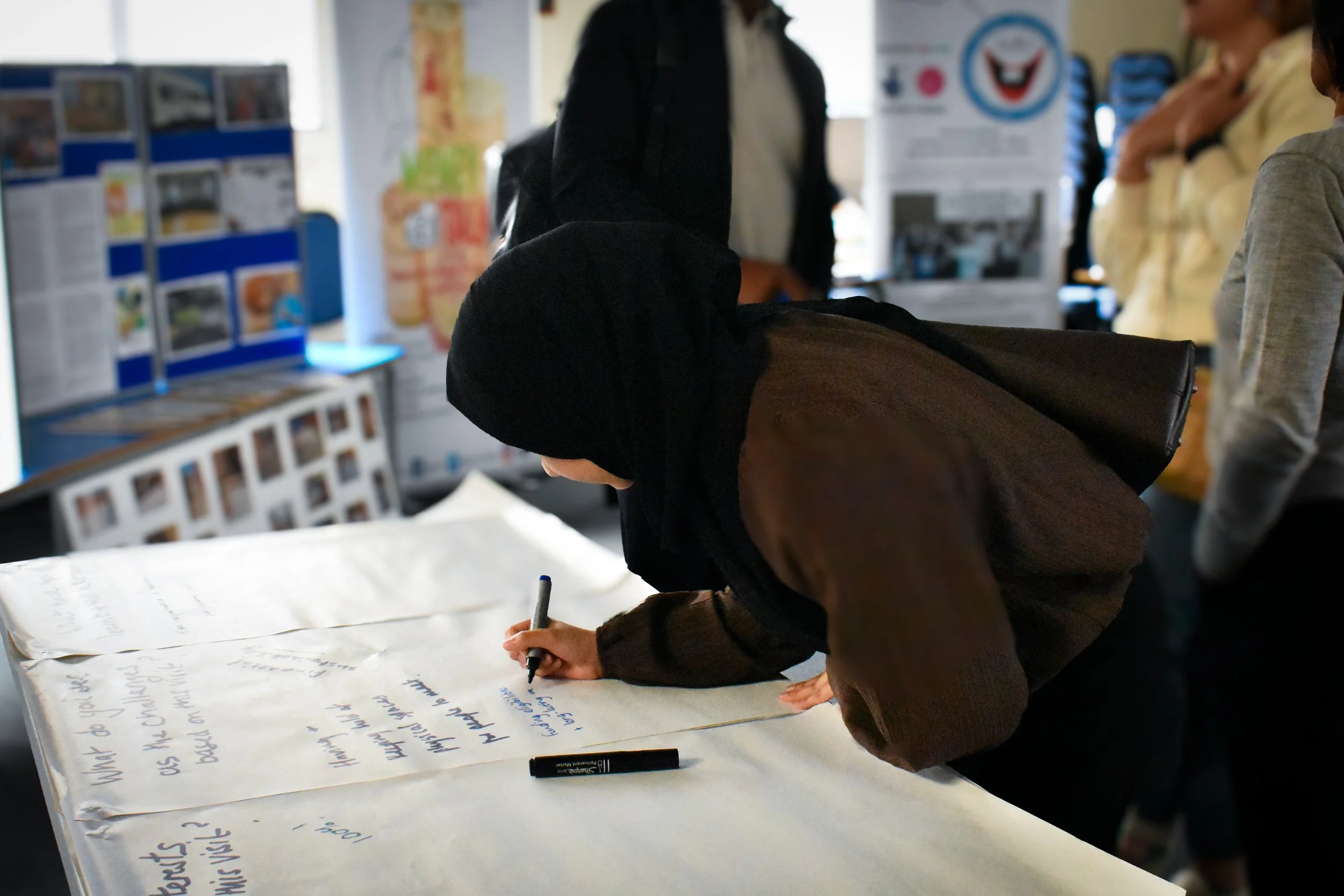
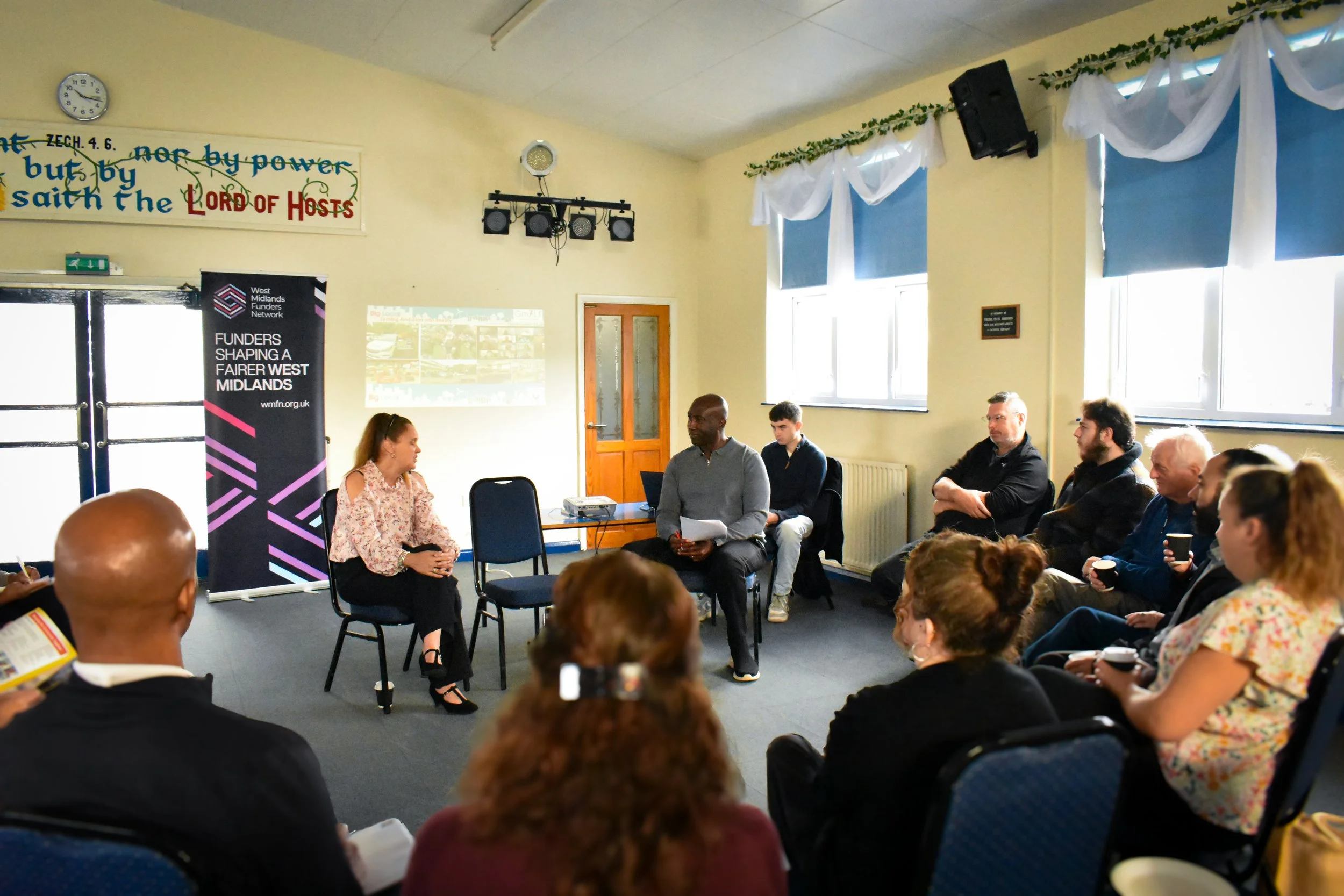
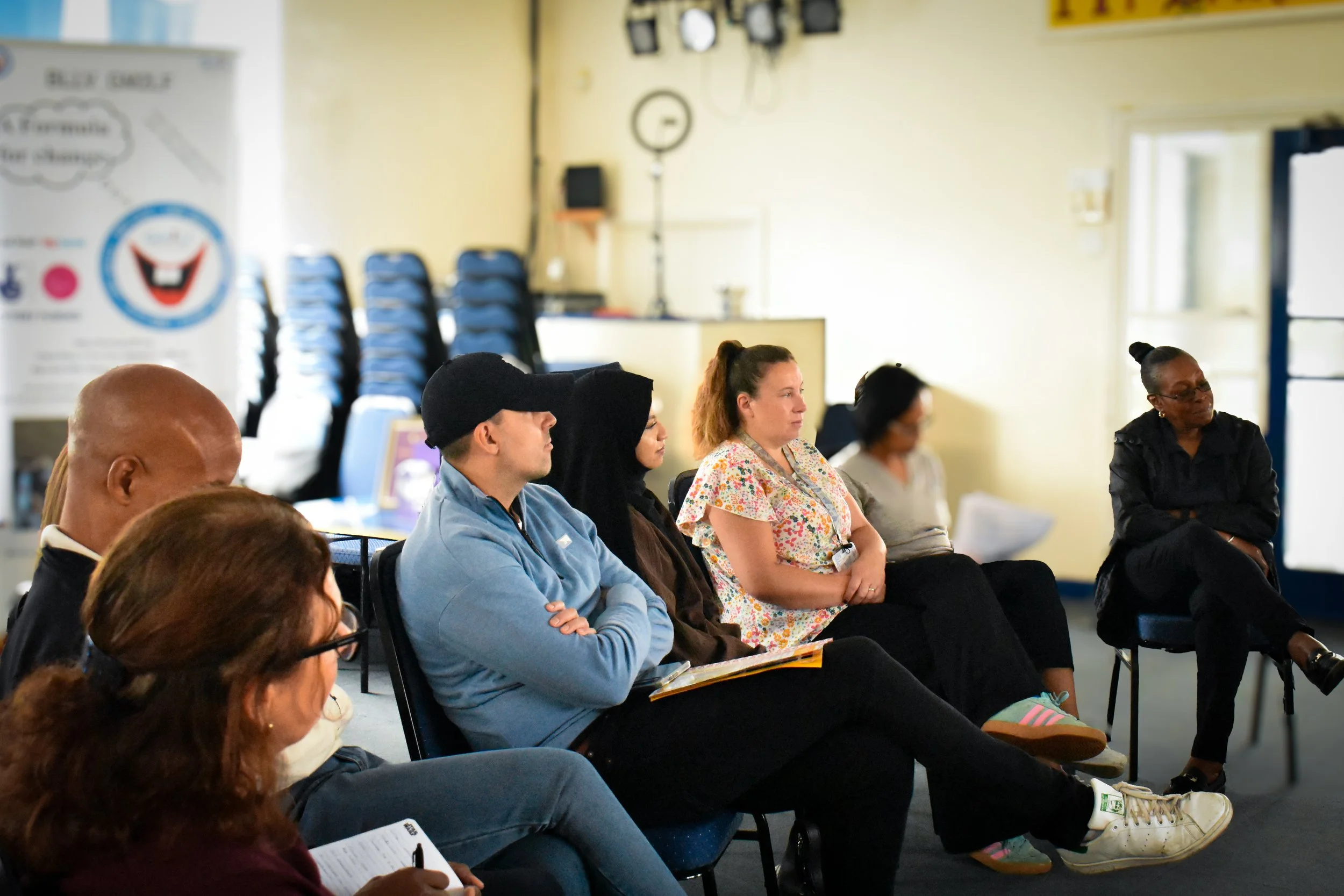
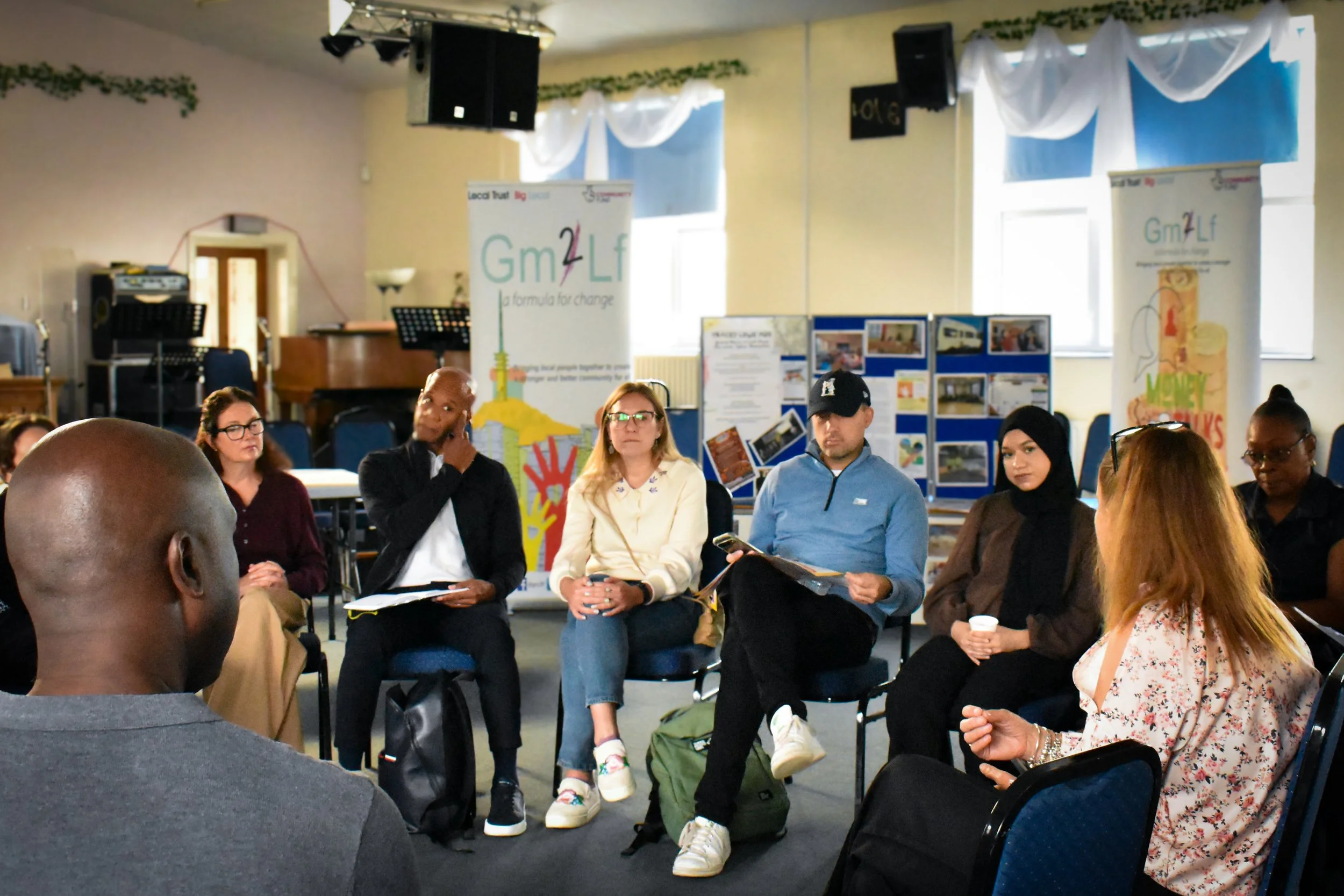
Big Local offers one of the few places to test it. On 16 September, as part of the West Midlands Funders Network's Big Local Legacy and Learning Programme, participants visited Grace Mary to Lion Farm. It was the programme's first in-person visit, following earlier online sessions on support infrastructure, equity and inclusion, and impact and outcomes. The area's £1 million gave residents time and resources to turn local ambitions into practical action, and to build something that could continue beyond the programme itself.
What came through the visit is that lasting change starts well before a programme ends. It rests on trust, local leadership and the freedom for communities to respond to what matters to them.
Leadership is grown, not imported
The neighbourhoods that make up Grace Mary to Lion Farm have often felt disconnected from one another. Major roads separate them, and so do longstanding social boundaries.
Tracy Lowe, Chair of the legacy charity, described her own route through the area's community life. She was a local young person, then a volunteer, development worker and youth worker, and eventually led the Big Local partnership. Her story made a point that funding agreements rarely capture. Community leadership in Grace Mary to Lion Farm was not brought in from outside or created by a single project. It developed over years, through participation, responsibility and relationships people trusted.
Small money, fairly shared
Small amounts of flexible funding let local people and groups respond quickly to immediate needs. Trips, social events, craft activities, family outings and neighbourhood initiatives gave people reasons to meet and work together. In an area divided by roads and history, that mattered as much as any single outcome.
Fairness across the different neighbourhoods mattered too. Residents needed to see that decisions and resources were shared openly between areas before they would trust the wider programme. Without that visible fairness, the programme risked reinforcing the divisions it set out to bridge.
Young people as future leaders
Young people were central to the story. Poverty, debt, a shortage of safe spaces and the risk of anti-social behaviour made consistent youth provision essential rather than optional. Community and church buildings were opened for activities, food and support.
Big Local Little Voices brought young people from different parts of the area together to build friendships, confidence and leadership. The group was more than a service for young people. It gave them routes to influence their community, and in doing so began to develop the next generation of local leaders, much as Tracy's own path had done a generation earlier.
A short video of young people sharing their perspectives as part of the visit can be viewed here
Looking beyond the buildings
The visit encouraged participants to look past physical improvements and ask what had changed socially. Who now feels able to take part? How have relationships shifted between neighbourhoods? What helped residents move from watching local activity to shaping it?
Those questions also show where the pressure falls once a programme ends. The legacy charity faces limited capacity and relies heavily on volunteers. It also carries the ongoing challenge of sustaining the core community infrastructure that made everything else possible. These are the costs of legacy, and they rarely appear in the original funding plan.
What this asks of funders
Treat long-term place-based change as relational rather than transactional. Flexible funding can open the door. Lasting impact depends on time, local knowledge and fair decision-making. It also depends on investment in the people and organisations that hold relationships together when individual projects end.
Match expectations to the realities of volunteer-led delivery. A legacy organisation run largely by volunteers cannot carry the same reporting burden or pace as a staffed charity, and should not be asked to.
Finally, recognise that sustaining community leadership may need patient support beyond a programme's formal lifetime. The leaders Grace Mary to Lion Farm grew over ten years are its most valuable legacy. Whether that legacy holds depends partly on whether funders are still around once the original money has gone.
Discover more about the programme